

What is the best time to visit Kyoto?
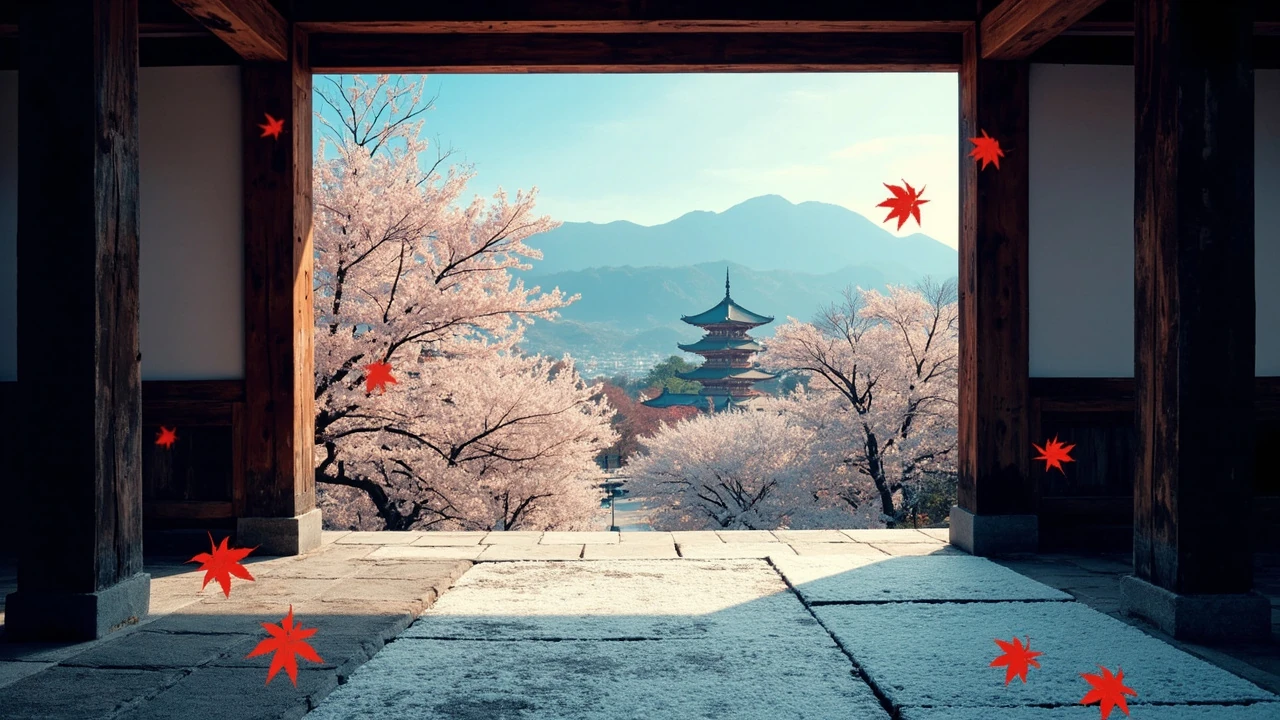
A trip to Kyoto can feel completely different in March than in August or late November. In spring, crowds gather beneath pale pink cherry blossoms and evening illuminations transform temple grounds into glowing landscapes. In summer, green hills surround the city and outdoor festivals become easier to enjoy, although humidity and a demanding midday heat can limit sightseeing. Autumn brings crisp air, colorful maples, and the possibility of clear views across temple gardens. Winter is quieter, with a quieter pace around landmarks and the chance to experience shrines and hot-spring towns without the crush of seasonal visitors.
The best time to visit Kyoto therefore depends on what you want to photograph, how you travel, and whether you prefer atmosphere or convenience. There is no single perfect month for every traveler. A flower enthusiast may accept busy paths to see blossoms at peak color, while someone planning a quiet cultural trip may prefer early December, when the major sights feel easier to approach. This guide compares the seasons by weather, crowds, seasonal highlights, and practical tradeoffs so you can choose a date with realistic expectations.
For general orientation, Kyoto’s geography and history explain why the city experiences pronounced seasonal identities. The surrounding mountains influence the climate, while temples, gardens, riverbanks, and small streets offer different experiences throughout the year. A For additional context, BBC Travel guide to Kyoto’s cherry blossoms also provides useful detail on viewing locations and explains why bloom timing can vary from year to year.
Kyoto by season: weather, crowds, and seasonal highlights
Kyoto’s seasons differ enough that choosing the right time changes both the pace of your visit and the activities you can comfortably schedule. The table below is a practical comparison rather than a ranking. A pleasant spring or autumn day can still coincide with crowds, while a quieter winter visit offers fewer seasonal spectacles. Think of these differences as tradeoffs rather than guarantees.
| Season | Typical travel conditions | Main advantages | Main drawbacks | Best fit for |
|---|---|---|---|---|
| Late March to mid-April | Cool mornings, mild afternoons, variable rain, and major blossom crowds | Cherry blossoms, hanami, illuminated temple grounds, spring menus | Crowded landmarks, harder hotel bookings, rapidly changing forecasts | Sakura fans, first-time visitors, photographers |
| May to June | Comfortable to warm, with a higher chance of rain | Fresh greenery, quieter blossom sites after peak bloom, festivals | Rain can interrupt outdoor walks; humidity rises | Gardens, slower itineraries, value-conscious travelers |
| July to August | Hot, humid, with the wettest part of the summer season | Festivals, indoor cultural attractions, full green landscapes | Heat, heavy rain, fatigue, very busy festival weekends | Festival-focused visitors with indoor backup plans |
| September to November | Warm early in autumn, then cool and often clear | Autumn color, comfortable sightseeing, seasonal food | Late-October and November crowds, rapidly cooling evenings | Gardens, temples, food trips, scenic walks |
| December to February | Cool to cold, occasional snow, short daylight hours | Fewer visitors, winter menus, quiet shrines, possible snow scenes | Cold weather, early sunsets, some seasonal closures | Budget travelers, culture-focused couples, winter scenery |
Late spring and early autumn are often the easiest compromises. You avoid the most intense blossom rush and the hottest summer weather while retaining seasonal color and generally comfortable outdoor conditions. The tradeoffs are that late-May flowers may have already faded, and early-September maples will not yet have reached peak color. If a specific seasonal event matters more than empty paths, book around that event rather than choosing the month solely from a weather chart.
Spring: the strongest season for cherry blossoms
Spring is Kyoto’s most recognizable season, especially from late March through the first half of April. The blossoms open in stages rather than all at once, so a visit of several days gives you a better chance of moving between early and late locations. The exact dates cannot be guaranteed in advance because weather and temperature patterns affect flowering. A bloom forecast from the Japan Meteorological Agency or guidance from a local hotel concierge can help you adjust plans once you are in Japan.
Kyoto is an excellent hanami destination because flowering trees are woven through temple precincts, canal paths, parks, and neighborhoods. That does not mean every famous tree blooms together. Earlier warmth can bring some varieties forward, while cooler northern and elevated areas tend to bloom later. A trip centered on one dramatic peak photograph may benefit from a flexible itinerary; a trip centered on atmosphere benefits from staying long enough to watch morning, daytime, and evening scenes.
Crowds are the central disadvantage. At celebrated sites, lines can affect the experience of major landmarks, while picnic areas and paths become difficult to access at midday. If blossoms are your priority, consider staying in central Kyoto or along the Keihan corridor for convenient access to eastern districts. A For additional context, guide to Kyoto’s best cherry-blossom locations highlights Heian Shrine as a more tranquil option and recommends the Kamo River for traditional picnic viewing. It also points to Kiyomizu Temple for nighttime blossoms, where visiting after the regular daytime period creates a different atmosphere.
Spring is less suitable for travelers who want quiet, spontaneous access to famous places. If crowds cause stress, shift the emphasis to less congested neighborhoods, spend time in gardens, and reserve restaurant seats well in advance. Remember that restaurants and accommodations around central blossom locations can become scarce before the trees open. Waiting for a forecast without booking anything is risky; the more practical approach is to reserve flexible accommodation and keep the daily route adjustable.
- Visit famous temple precincts near opening time, before the strongest midday arrivals.
- Return to one area at dusk if nighttime illumination is part of the goal.
- Allow for rain: reflective paving, wet stone, and flowers after rainfall can be beautiful, but paths may be slippery.
- Use a base in central Kyoto to reduce time spent in transit.
- Treat any published bloom forecast as guidance rather than a guarantee.
Summer: festivals, green landscapes, and heat management
Summer is for travelers who want active celebrations or who can adapt their routines to heat and rain. Kyoto’s greenery becomes deep and saturated, temple gardens feel cool in appearance, and festivals create concentrated bursts of local activity. The tradeoffs are substantial. Summer days can be hot and humid, rain arrives in heavy bursts, and the atmosphere feels different from the crisp visitor images often associated with the city.
Build the day around the morning and late afternoon rather than trying to cover a full sightseeing list at noon. Start near one district, take a substantial indoor break, and return outdoors when temperatures ease. Museums, art spaces, tea rooms, shopping arcades, and restaurants provide useful shelter. A compact umbrella is useful, but a lightweight raincoat often handles summer downpours better than an umbrella exposed to wind.
July and August also carry the strongest festival atmosphere. Exact dates and programs change annually, so confirm details with official local tourism information before building a fixed itinerary. Popular events can fill accommodation and transport quickly, and a festival day may involve more waiting than sightseeing. This is one of the clearest cases where the best time to visit Kyoto depends on a specific interest rather than a broad season.
| Summer planning question | Recommended approach | Why it matters |
|---|---|---|
| How should I schedule outdoor sights? | Place them around morning and evening, with an indoor midpoint. | It reduces fatigue and makes short rain showers easier to accommodate. |
| Should I book a hotel near festival venues? | Book early if the event is central to the trip, but verify cancellation terms. | Demand can rise sharply during major festival periods. |
| Is the city still enjoyable in the rain? | Yes, if the itinerary includes shrines, museums, arcades, and tea experiences. | Rain does not stop indoor attractions, although it changes outdoor pacing. |
| Is late June better than late July? | Often for comfort, but not necessarily for every festival. | Rain and heat patterns vary, while event calendars do not always align with the driest weeks. |
Early June can offer a useful balance for visitors who want green scenery without the strongest summer crowds, although the atmosphere becomes increasingly humid as the rainy season approaches. That period also offers a way to see blossoms that linger in cooler locations after the main city peak. It is a less predictable choice, but a rewarding one for flexible travelers.
Autumn: excellent sightseeing weather and dramatic foliage
Autumn is Kyoto’s strongest all-around season for travelers who want scenery, sightseeing, and seasonal food without committing to the blossom calendar. Conditions are often clear and comfortable, and temple gardens, mountain paths, and river landscapes develop layered shades of red, orange, and gold. The best visual results usually come when temperatures cool enough for leaves to change but before the busiest viewing weekends.
Timing matters because maples do not all reach the same color simultaneously. Conditions around the city, hills, and northern districts can differ. High-elevation areas may color earlier, while trees in sheltered city gardens can remain green longer. A flexible itinerary of at least four or five days gives you a better chance of encountering peak color than a short trip built around a single date. As with cherry blossoms, local forecasts are useful, but no forecast can eliminate year-to-year variation.
Crowds also rise during the color season, especially at well-known temple gardens. Early and late visits remain worthwhile. Midday photography can also be difficult because the strongest sun creates bright contrast, while overcast conditions often produce more even color. Afternoon light adds warmth, but a short visit near closing time may be more useful than remaining through the busiest hours.
Autumn suits travelers who want to combine Kyoto with nearby destinations because the weather is generally conducive to walking, trains, and day trips. It is also a busy hotel period. If you cannot find a central room at your preferred price, consider a wider search around major railway stations or a location beside a Keihan or JR line. Transport convenience can matter more than a short distance from the busiest sightseeing area.
For many first-time visitors, late October through November offers the safest balance of autumn color and seasonal atmosphere. The exact sweet spot changes each year, so build an itinerary around several candidate sites and move the order according to reports from your concierge or current local information. This is another reason the best time to visit Kyoto is best described as a window rather than a date.
Winter: quieter sightseeing, winter menus, and cold-weather limits
Winter has the fewest visitors and the most compact atmosphere. You can approach major landmarks without the same competition for space, restaurants may have more availability, and seasonal menus bring depth to a food-focused visit. Clear winter days can reveal distant mountains and sharply defined temple architecture. Snow is uncommon in central Kyoto compared with mountain regions, but when conditions align, a light dusting can be magical.
The main challenge is comfort rather than access. Daylight hours are shorter, temperatures are cool, and waiting outdoors can become uncomfortable. Wear layers and shoes with reliable grip. Schedule outdoor sites around midday, then move to tea, cooking classes, museums, or longer meals later. Ice and frost may affect shaded paths even when the center of the city receives little snow.
January and February can be excellent for visitors who value culture over spectacle. Some seasonal food presentations are more elaborate around the New Year, and temple calendars may include observances that cannot be experienced in other seasons. However, individual ceremonies can require advance arrangements, respectful behavior, or tickets. Check official information and avoid assuming that every seasonal event is open to casual visitors.
Winter also makes an excellent base for exploring Kyoto’s surrounding hot-spring areas. Mountain rail lines and colder landscapes provide a change of pace, though weather can disrupt transport. If you are staying primarily in Kyoto, reserve one day for an excursion rather than trying to combine a distant mountain trip with several central attractions.
If your primary goal is the best possible value and manageable sightseeing, early winter may be the most practical answer. If your goal is a photogenic seasonal landscape, spring blossom season or autumn color will usually feel more rewarding. The strongest winter advantage is space and pace.
How to choose the best time for your interests
Start with the experience you would regret missing. A trip organized around one flower, one night illumination, or one autumn garden can tolerate less flexibility because the seasonal target determines the timing. A general first visit should prioritize comfortable weather, reasonable crowds, and a base that makes spontaneous walks easy.
The table below turns common travel priorities into practical choices. It is not a guarantee of weather or access. It is a way to compare the likely experience and the compromises involved.
| Your priority | Most suitable window | Tradeoff to plan around | Useful strategy |
|---|---|---|---|
| Cherry blossoms and hanami | Late March to mid-April | Highest seasonal demand and crowded sites | Book early; stay several nights; keep daily routes flexible |
| Autumn foliage | Late October through November | Peak color can vary; popular gardens are busy | Target a broad date range and monitor local bloom reports |
| Comfortable walking | October, November, and much of May | Some weekends may still be crowded | Walk neighborhoods early and shift famous sights to less busy days |
| Festivals and events | The month and dates of the specific event | Accommodation and transit can be unusually tight | Confirm the program before booking nonrefundable plans |
| Food-focused travel | Autumn, winter, and early spring | Premium tables may still require reservations | Combine a seasonal meal with neighborhood dining rather than chasing queues |
| Lower crowds and easier navigation | Early December through February | Shorter days and colder weather | Concentrate outdoor visits around midday and build indoor backup plans |
Budget is another important filter. Accommodations and some transportation demand rise sharply during cherry-blossom season, major festivals, and the core autumn-color period. Midweek travel can reduce both rates and crowds. If dates are fixed by work or school, choose the less popular week at either end of the peak rather than trying to complete a long checklist in three crowded days.
Consider your tolerance for rain and heat as well. A traveler who values comfortable outdoor time may prefer late October, while someone interested in a specific festival may accept summer humidity. Someone who wants to linger in cafés and museums may enjoy winter more than a traveler determined to walk long distances outdoors every day.
- List the one or two seasonal sights that would make the trip feel complete.
- Check whether the target season aligns with your tolerance for crowds, rain, heat, or cold.
- Reserve accommodation before nonrefundable transport and attraction plans.
- Keep at least one open day near peak season for bloom or foliage updates.
- Check official event information and neighborhood access close to departure.
How to build a Kyoto itinerary by season
The best time to visit Kyoto is also the time when certain activities are easiest to schedule. In spring, organize your days geographically so you are not crossing the city each time the light changes. Start with a landmark area at opening, use midday for a reserved meal or an indoor cultural stop, and return to nearby gardens in the afternoon. If nighttime blossoms matter, reserve that period before filling the schedule with unrelated destinations.
Summer itineraries need greater attention to energy and weather. A useful pattern is one major outdoor area in the morning, a long indoor break around midday, and a flexible evening district. Keep indoor options nearby so a rain shower does not force a long train ride. Carry water, choose restaurants with seating and air conditioning, and accept that three substantial sightseeing stops can produce a better day than eight.
Autumn travelers benefit from pairing city landmarks with gardens and hillside walks. Begin with a temple complex before tour groups become busy, pause for a seasonal lunch, and save the most scenic route for a clear morning. Because illumination and evening conditions can enhance leaf color, leave some flexibility between dates rather than locking the most important garden into the first available slot.
Winter works best with shorter, more concentrated days. Visit exposed outdoor landmarks around the brighter middle of the day, and use late afternoon for neighborhoods known for atmospheric walks. A food reservation, traditional craft experience, or tea session can fill the transition between daylight and evening without forcing you to remain outside.
| Season | Ideal daily structure | What to keep flexible |
|---|---|---|
| Spring | Early landmark, reserved indoor meal, afternoon blossom area, optional evening viewing | The order of gardens and districts according to bloom and weather |
| Summer | Morning outdoor sightseeing, midday indoor break, late-afternoon festival or neighborhood | Rain alternatives and the number of major outdoor stops |
| Autumn | Morning garden or temple, seasonal meal, flexible afternoon color route | Which sites have reached peak foliage that day |
| Winter | Late-morning landmark, lunch, indoor culture, early evening neighborhood | Weather-related substitutions and outdoor duration |
Always verify current opening days, admission conditions, event schedules, and reservation requirements before traveling. Historic temples, private gardens, and seasonal illumination events can use different operating arrangements. Official sites provide the most reliable current details, and a local concierge can help reconcile them with weather or bloom conditions once you arrive.
Common mistakes when choosing a Kyoto travel date
The most common mistake is treating a seasonal image as a guaranteed calendar date. A photograph of a fully flowering tree cannot tell you whether that tree will reach the same stage on your travel day. Blossom and foliage timing vary with weather, elevation, and the specific plant. If the season is the reason for your journey, leave room to adjust.
The second mistake is booking too many locations for too few days. Kyoto rewards slower movement. Trying to combine Arashiyama, eastern temple districts, northern gardens, and central neighborhoods in a single day can consume hours in transit and leave little time for the places you actually came to see. Even when the best time to visit Kyoto is ideal, an overloaded itinerary can still feel disappointing.
A third mistake is planning only for the famous foreground. The major landmarks deserve time, but smaller gardens, local lanes, temple grounds, cafés, and market visits often create the strongest memories. Reserve the most popular spots and leave open space for a well-recommended neighborhood or meal. This is particularly useful in spring and autumn, when a schedule dominated by peak sites can become stressful.
Another mistake is ignoring arrival logistics. A late flight or a delayed connection may reduce your first sightseeing day. Build the first day around one neighborhood rather than a checklist, and avoid paying for an expensive activity before you know how much energy remains. The same applies to departure: leave enough time for the station, airport transfer, and potential service changes.
Finally, do not treat rain as a failed trip. Kyoto has meaningful indoor and covered spaces, and wet stone, moss, temple woodwork, and seasonal food have their own atmosphere. Carry a compact rain layer and use midday forecasts to adjust. The goal is not to control the weather but to make good decisions with the information available on each day.
- Book lodging before making inflexible plans for peak-season dates.
- Check what each attraction is closed on and whether advance booking applies.
- Carry a reusable water bottle, compact rain layer, and comfortable footwear.
- Keep a paid or refundable option for one weather-sensitive day.
- Confirm seasonal events separately from the attractions that surround them.
Before leaving, compare two candidate date ranges using the same priorities. One may offer better expected color while the other offers easier logistics and lower demand. If both perform well, choose the trip with more margin. Extra time in Kyoto is often more valuable than one additional famous stop.
Frequently asked questions
What is the best time to visit Kyoto for cherry blossoms?
Late March to mid-April is the typical central Kyoto blossom window, but the exact peak changes from year to year. Some locations open earlier, while cooler northern and elevated areas tend to bloom later. A visitor seeking dramatic full bloom should stay at least four nights, keep the itinerary flexible, and check a current local forecast after arriving. Booking accommodation early remains essential because demand rises before the blossoms reach full color.
Is October or November better for autumn leaves in Kyoto?
Both can be rewarding, but the timing depends on temperature and the locations you want to see. Colors may appear earlier in cooler, elevated areas and later in sheltered gardens. November often offers a broader citywide display, while portions of October can produce excellent early color. For a short trip, choose a date range that overlaps your preferred period rather than booking a single fixed day, and prioritize a base that makes several major garden areas accessible.
What is the least crowded season in Kyoto?
Early winter, particularly early December through February, generally has lighter demand than cherry-blossom season, major festivals, and peak autumn color. Conditions are colder and days are shorter, so it is most comfortable for travelers who prioritize museums, food, tea, shrines, and unhurried neighborhood walks. Some winter activities have limited schedules, so verify specific events before finalizing dates.
Is Kyoto too crowded in spring and autumn?
Major landmarks and famous seasonal sites can be very busy, especially on weekends and during the most photogenic periods. A trip does not have to feel chaotic if you visit major sites at opening, travel on weekdays where possible, group nearby stops, and schedule meals in advance. The tradeoff is that avoiding crowds often means making your daily route more flexible.
What is the best time to visit Kyoto for comfortable walking?
May, October, and much of November usually offer the most comfortable balance for sightseeing on foot. Spring mornings and afternoons can also be pleasant, but blossom crowds complicate navigation. Summer heat and humidity reduce how far many visitors can comfortably walk, while winter is manageable with layers but not ideal for long outdoor periods. Comfort depends on the route, weather, and your tolerance for carrying water and rain gear.
Can I visit Kyoto in the rainy season?
Yes. The rainy season can provide dramatic temple landscapes, reflective paths, lush greenery, and lower hotel demand outside major festival weekends. Heavy showers may interrupt outdoor sightseeing, but museums, cafés, arcades, and other indoor experiences can fill the middle of the day. Pack a lightweight rain layer and avoid an itinerary that depends on reaching several distant outdoor attractions at precise times.
Should I stay near Kyoto Station or in the city center?
Kyoto Station is convenient for travelers arriving by bullet train, storing luggage, and reaching areas such as Arashiyama, Nara, or Osaka. A central base near Gion, Shijo-Karasuma, or a Keihan station offers convenient access to many eastern and central attractions. The right choice depends on your itinerary, luggage, and tolerance for train travel. For a short first visit focused on temples and neighborhoods, a central location often saves time.
How many days should I stay in Kyoto?
Four full days are a practical minimum for major neighborhoods and several seasonal sites, while a week allows a slower pace and an optional excursion. Spring and autumn benefit from extra days because bloom and foliage conditions change. Add an excursion for nearby Nara, Osaka, Amanohashidate, or a hot-spring area rather than compressing distant travel into a central Kyoto day.
What should I book before traveling to Kyoto?
Prioritize accommodation during cherry-blossom season, major festivals, and peak autumn color. Reserve restaurants, seasonal illuminations, limited-access gardens, and other activities with fixed schedules once dates are settled. For shinkansen travel, booking popular departures early can improve both availability and seating choice. Keep weather-sensitive plans flexible, but do not assume famous attractions will have walk-up admission.
How do I choose between spring, autumn, and winter Kyoto?
Choose spring if cherry blossoms and hanami are your priority, autumn if seasonal foliage and generally comfortable sightseeing matter most, and winter if quieter sites, food, and lower demand are more important than outdoor color. Add summer only when its festivals or event calendar justify the heat and humidity. The best time to visit Kyoto is the season that serves your strongest interest while matching your tolerance for crowds and weather.

Leave a Reply