
Landmarks in Brazil: the essential sites for a first visit
Brazil is large enough that choosing the right landmarks can determine whether a first trip feels like a rushed checklist or a well-paced introduction to the country. Rio de Janeiro supplies the most recognizable views, including Christ the Redeemer and Sugarloaf Mountain, while São Paulo offers far more than its celebrated avenue. Salvador connects the country’s history with music, colonial architecture, and the rhythms of the Afro-Brazilian community. Farther north, the Amazon Basin offers a completely different encounter with rainforest, waterways, and wildlife.
The best landmarks in Brazil depend on how much time you have, whether you want cities or nature, and how you prefer to travel. A short first visit usually works best around Rio and a second major destination. A longer trip can combine the coast, historic towns, and the Amazon, but domestic flights and long distances make careful planning essential.
Before booking anything, decide which experience matters most. The Christ the Redeemer statue and Sugarloaf Mountain suit travelers who want major sights and broad city views. Ibirapuera Park, the Museu Afro Brasil, and a neighborhood food walk reveal a different side of São Paulo. Pelourinho preserves much of Salvador’s colonial center, whereas the Amazon is about rivers, forest ecology, and guided local knowledge rather than a checklist of monumental buildings.
| Area | Signature landmarks | Best for | Planning consideration |
|---|---|---|---|
| Rio de Janeiro | Christ the Redeemer, Sugarloaf Mountain, Copacabana, Tijuca Forest | Iconic scenery, beaches, viewpoints, a compact first trip | Book timed entries and allow for weather changes and traffic |
| São Paulo | Avenida Paulista, Ibirapuera Park, Museu Afro Brasil, Mercado Municipal | Architecture, museums, food, urban culture | Use public transit and spread attractions across separate days |
| Salvador | Pelourinho, Elevador Lacerda, churches, Casa de Jorge Amado | Colonial history, music, food, Afro-Brazilian culture | Focus on a defined historic area rather than trying to cover everything |
| Amazon Basin | Rainforest, river channels, flooded forest, community-led excursions | Wildlife, ecology, quiet landscapes | Choose a responsible operator and allow several days |
| Historic towns | Ouro Preto, Olinda, Paraty, Salvador | Architecture, Portuguese and African influences, slower travel | Check hills, walking conditions, and local event schedules |
How to choose landmarks that fit your trip
A useful approach is to build the trip around two or three themes rather than assembling a long list of names. Start with the places that everyone should consider, then add sites that match your interests. Art and architecture might lead toward São Paulo’s museums and buildings. History can point toward Salvador, Ouro Preto, and Olinda. Landscape photography favors Rio’s viewpoints, but coastal towns and Atlantic Forest areas provide a different type of scenery.
Time is the most important constraint. Rio’s major attractions can be experienced in three to four full days if the itinerary is restrained. São Paulo deserves at least two days for its main museum district and central neighborhoods. Salvador’s historic center can be understood in two days, although music, markets, and nearby beaches may justify another. Amazon travel usually begins with the journey to the region and ends with a return, so the destination itself requires additional time.
- For a short introduction: concentrate on Rio de Janeiro, then add one nearby coastal or cultural destination if the schedule permits.
- For food and urban culture: divide the stay between Rio and São Paulo, using neighborhoods rather than a long landmark checklist.
- For history: choose Salvador or a smaller historic town such as Ouro Preto or Olinda instead of attempting all three.
- For nature: allow enough time for Tijuca Forest or an Amazon trip; rushing from one viewpoint to another reduces the value of either.
- For families: favor sites with clear indoor alternatives, manageable transfers, and a mix of cultural and outdoor activities.
Geography should also influence the choice. Rio, São Paulo, and Salvador are separate metropolitan areas connected by air travel. Salvador and the northeastern coast have a different rhythm from the southeast. The Amazon represents a major shift in scale, climate, and infrastructure. Trying to place every famous place in one itinerary can turn a meaningful journey into repeated airport days.
| Trip length | Sensible focus | Why this pace works |
|---|---|---|
| 4–6 days | Rio de Janeiro with a day trip or nearby beach | Enough time for major viewpoints, one beach area, and recovery from transfers |
| 7–10 days | Rio and São Paulo | Combines two distinct urban experiences without excessive domestic flights |
| 10–14 days | Rio, Salvador, and one smaller town | Creates a coherent route through southeast and northeast Brazil |
| 15 days or more | Add the Amazon or the northeast coast | Allows a genuine regional experience instead of a rushed stop |
Budget priorities should follow the same logic. International airfare and domestic flights can set the largest financial boundary, while lodging in major cities and premium visitor services add further cost. Nature excursions, private guides, and restaurants vary considerably. Instead of chasing a total price quote that may age quickly, identify which experiences require reservations and which places are free to enter before the trip.
Rio de Janeiro’s essential landmarks and the practical details
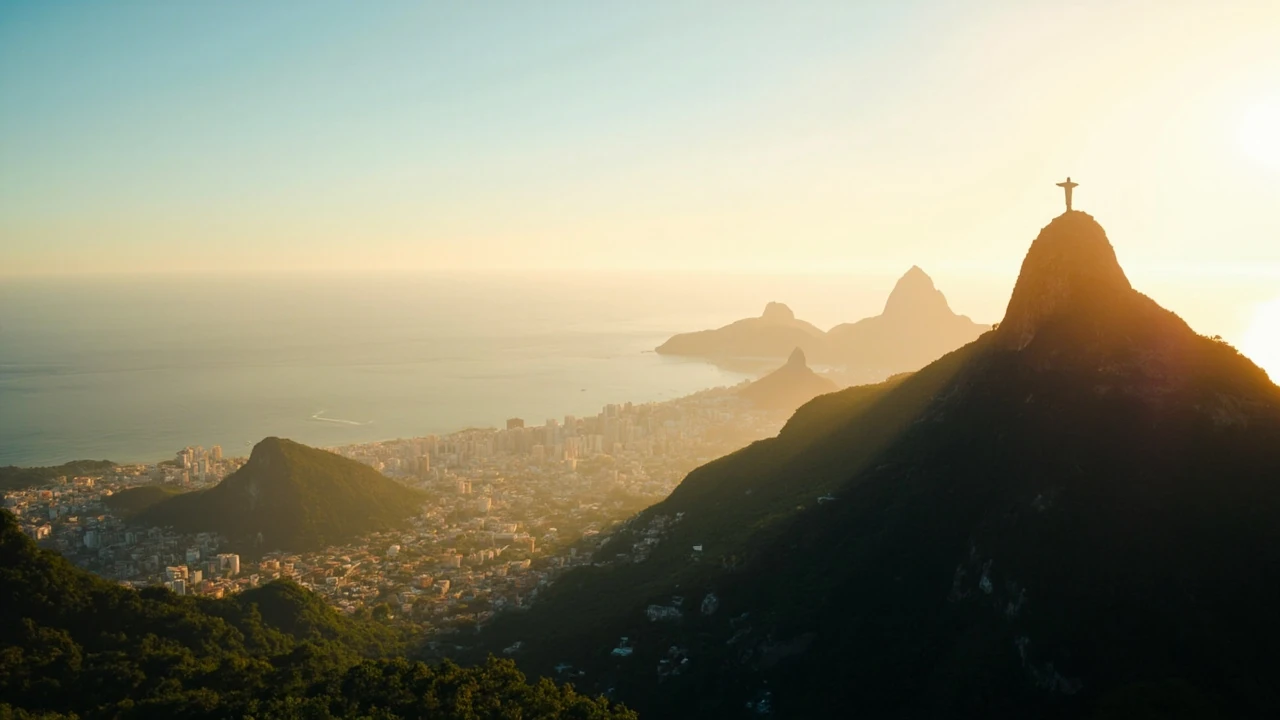
Rio is the easiest place to begin because several of Brazil’s best-known sights sit within one urban region. Christ the Redeemer overlooks the city from Mount Corcovado, Sugarloaf Mountain rises directly from Guanabara Bay, and beaches such as Copacabana and Ipanema give the itinerary a different texture. The city is also physically demanding: hills, steep stairs, crowded transport corridors, and sudden changes in weather can make an overpacked schedule frustrating.
Christ the Redeemer is more than a large statue on a hill. It is an Art Deco-style religious monument and one of the city’s defining landmarks. The BBC has documented the damage caused when lightning struck the statue’s right thumb and reported that the monument is struck by lightning several times in an average year. That history explains why weather and site procedures matter when planning a visit.
For current access details, use the official visitor information for the monument rather than relying on an old blog or an unverified ticket seller. Entry arrangements and operating conditions can change, so check the official channel close to the visit. The same advice applies to the train used by many visitors, which can involve queues, working days, and transport interruptions.
The For additional context, BBC report on lightning damage to the statue is also a useful reminder that Corcovado is exposed to severe weather. The surrounding views can disappear in cloud, but the forested approach and the experience of reaching the summit remain worthwhile in suitable conditions.
Sugarloaf Mountain offers a different kind of perspective. The enclosed cable car climbs steeply over the bay, while the walk around the final section gives broad views of the city, waterways, and surrounding mountains. Weather determines what visitors see, so avoid treating the summit as a guaranteed clear-weather experience. If the forecast is poor, use that day for Copacabana, a museum, or a neighborhood food excursion and save the mountain for a clearer day.
For a detailed cultural introduction, the wider story of the city and its people can be explored in Brazilian People: Who They Are and How They Live. Understanding the country’s regional identities adds context to landmarks that are often presented only as backdrops for photographs.
- Christ the Redeemer: prioritize clear conditions, confirm access through official channels, and allow extra time for the busy approach to the site.
- Sugarloaf Mountain: reserve a flexible weather window and consider the upper section as a moderate uphill walk.
- Copacabana and Ipanema: use one as a full beach day rather than treating both as quick photo stops.
- Tijuca Forest: set aside several hours for the forest’s trails, overlooks, and less urbanized sections.
- Santa Teresa and Lapa: explore in daylight and use current local guidance for evening areas and transport.
Rio rewards flexibility. Keep one or two days partly open because rain, heat, or a delayed activity can alter the best order of the remaining stops. For example, museums and indoor cultural spaces can balance a hot beach morning, while a clear late afternoon may be ideal for a viewpoint. Moving between neighborhoods also takes longer than a map suggests, especially during peak traffic hours.
São Paulo landmarks: culture beyond Avenida Paulista
São Paulo is often introduced through its size, traffic, and skyline, but its strongest attractions reveal several layers of urban history. Avenida Paulista is useful for architecture, museums, and the city view from the,顶 deck of the Sesc Paulista building. Ibirapuera Park combines broad green space with major cultural institutions. Museu Afro Brasil, the Museum of Image and Sound, and the Museum of Sacred Art offer a more focused view of the city’s artistic and religious diversity.
The Mercado Municipal deserves time rather than a quick stop for a photograph. It is a busy market and food complex where regional ingredients and prepared dishes reflect the country’s culinary range. For a deeper understanding of daily life, a guided food tour or a careful afternoon around a specific neighborhood can be more revealing than collecting names of every famous avenue.
São Paulo is also a base for day trips. Santos has a broad waterfront and an easy beach atmosphere, while the historic center of São Sebastiao and the smaller coastal towns farther north offer alternatives to the dense city. These journeys work best when one location is chosen in advance rather than added as an impulsive extension to an already full day.
| São Paulo experience | Key places | What to notice | Practical approach |
|---|---|---|---|
| Architecture and city views | Avenida Paulista, Sesc Paulista rooftop | Modern high-rises, preserved façades, the scale of the central city | Combine with nearby museums and allow time for street crossings |
| Art and social history | Museu Afro Brasil, Museum of Image and Sound | Brazilian cultural diversity, music, media, and visual identity | Choose one or two museums rather than rushing through both |
| Parks and culture | Ibirapuera Park, Museum of Modern Art, Japanese immigration pavilion | Landscape design, modern art, and the city’s global connections | Visit in the morning and carry water and sun protection |
| Food and markets | Mercado Municipal, neighborhood markets | Regional produce, prepared foods, and the influence of migration | Go outside the busiest meal periods and carry small cash as needed |
Transportation deserves particular attention. The metro reaches many central areas and can be more predictable than road traffic, although it does not cover every attraction. Walking works well between districts with compact routes, but distances in the city can be longer than they appear. Plan the order around actual neighborhoods rather than listing landmarks in an arbitrary sequence.
Weather matters as well. For additional context, São Paulo can be wet, humid, and warm, with sudden summer downpours. An indoor museum can preserve a day that would otherwise be spent waiting out a storm. In drier periods, early visits to Ibirapuera Park and Paulista are more comfortable because both become crowded later.
Historic landmarks in Salvador, Ouro Preto, and Olinda
Brazil’s historic places reveal the country’s layered colonial history, but they should not be treated as an undifferentiated collection of pastel streets. Salvador’s Pelourinho is the most substantial urban center on the list, with churches, pastel façades, steep lanes, public squares, and strong connections to music and Afro-Brazilian religious traditions. Ouro Preto presents another kind of heritage, centered on Baroque churches, sculptural details, mining-era history, and a hilly landscape. Olinda offers colonial buildings and religious monuments on a smaller scale, with a more relaxed atmosphere in the historic center.
Salvador’s Upper and Lower Cities connect through landmarks such as the Elevador Lacerda, Praça Tomé de Sousa, the Cathedral Basilica, and the former slave-market complex now associated with Casa de Bondage and religious education. The area’s musical traditions are equally important, especially for travelers interested in capoeira, Afro-Brazilian percussion, or the city’s broader cultural scene.
The relationship between the church, slavery, and African cultural survival deserves careful attention. Colonial religious buildings can appear picturesque in photographs, yet their histories are inseparable from the exploitation of enslaved Africans and the institutions that resisted it. A responsible visit combines architectural appreciation with historical interpretation.
Ouro Preto rewards travelers who enjoy walking. The historic center has steep cobbled streets, irregular elevations, and dense clusters of churches. The Sanctuary of Bom Jesus de Matosinhos and the Church of São Francisco de Assis are among the notable religious complexes, each reflecting important periods and styles of Brazilian religious art. Museum visits can also help explain how colonial wealth and forced labor shaped the city.
- Salvador: allow at least two days for the historic core, museums, live music, and nearby coastal areas.
- Ouro Preto: wear shoes with grip, plan shorter walks on steep streets, and learn why the center’s elevations shape the visit.
- Olinda: focus on the historic upper town, churches, views over the coast, and the local food traditions of Pernambuco.
- Paraty: combine colonial-era streets with the surrounding Atlantic landscape rather than treating the center as an isolated museum.
Brazilian historic landmarks are not merely evidence of a European past. The architecture, public spaces, food, religious practices, and festivals also reflect Indigenous foundations and generations of African influence. That broader context makes these places more informative than a sightseeing route built only around façades.
Natural landmarks from Atlantic Forest beaches to Amazon waterways
Brazil’s natural landmarks require a different planning mindset. There is no single viewpoint that substitutes for the scale of the Amazon, and a rainforest visit cannot be reduced to a short boat ride through a convenient collection of wildlife. The Atlantic Forest, beaches, waterfalls, and wetlands offer alternatives closer to the main transport corridors, while the Amazon demands a longer commitment and a guide with strong local knowledge.
Tijuca Forest in Rio is the most accessible major natural area. Its trails connect viewpoints and historic sites within a large tropical forest landscape. Tropical paths can be slippery, steep, and humid, so suitable footwear matters more than aggressive mileage. The park also sits within a dense urban region, which makes it useful for travelers who want a substantial nature experience without leaving Rio.
Coastal landmarks offer a different rhythm. The beaches around Rio remain social and active urban spaces rather than isolated scenery. Paraty preserves a historic center beside water and mountains. Ilhéus recalls the cacao economy and the life of Jorge Amado, while the broader Bahia coast offers beaches and marine environments that reward a longer stay.
| Natural option | Location | Main appeal | Key limitation |
|---|---|---|---|
| Tijuca Forest | Rio de Janeiro | Tropical forest, trails, overlooks, biodiversity close to the city | Humid and physically demanding in places |
| Southern Bahia coast | Bahia | Beaches, coves, Atlantic Forest, coastal towns | Distances between places can be substantial |
| Igunaçu Falls | Paraná region | Powerful waterfall within Atlantic Forest surroundings | A specific regional trip rather than a central-city excursion |
| Amazon waterways | Amazonas, Pará, or other northern states | Flooded forest, river ecology, birds, monkeys, and rainforest scale | Longer stay, specialized operators, weather-dependent visits |
| Pantanal | Mato Grosso and Mato Grosso do Sul | Wetlands, open landscapes, exceptional wildlife viewing | Seasonal conditions strongly shape the experience |
Wildlife viewing should be approached responsibly. Do not handle animals, feed them, or pressure them to approach the boat. Choose operators that follow recognized principles for animal welfare and environmental care. Guides matter because they can identify species, explain changing water levels, and interpret behavior that untrained visitors may miss.
What an Amazon landmark experience actually involves
The Amazon is the largest environmental region in Brazil and the center of the Amazon rainforest. A responsible visit centers on the ecosystem rather than a single photogenic attraction. Rivers and flooded forests create shifting routes through the landscape. From a boat, visitors may pass canopy trees, palm leaves, birds, reptiles, monkeys, and signs of wildlife that are easy to overlook without guidance.
Two broad styles of experience are available. River-based trips often provide greater access to remote channels and wildlife. Land-based lodges can offer quieter forest walks and more time on foot. The right choice depends on the traveler’s interests, physical comfort, local conditions, and the operator’s conservation practices.
The For additional context, Christ the Redeemer statue offers a useful contrast with an Amazon itinerary: both are among Brazil’s most recognized symbols, but they require entirely different forms of attention. At Christ the Redeemer, the landmark is fixed, elevated, and reached through a structured urban visitor route. In the Amazon, the highlights change with the water level, weather, animal movement, and the day’s route.
- Travel light but not carelessly: soft-sided bags are easier to store, while a dry layer, insect repellent, sunscreen, and reusable water bottle address common needs.
- Protect electronics: bring a waterproof pouch or dry bag because humidity and spray can damage cameras and phones.
- Follow the guide: remain seated during boat transfers, keep voices low when wildlife is near, and never leave marked routes without permission.
- Manage motion sickness: consider medication recommended by a clinician and ask the operator what the boats and conditions are like.
- Do not expect staged encounters: wild animals may remain distant, and no guide should guarantee a sighting.
Seasonality changes the experience. Rainfall alters river levels and the extent of flooded forest, while dry periods can concentrate wildlife around remaining water. The best time to travel depends on the region, the route, and the conditions the operator is equipped to handle. A good operator should explain those tradeoffs rather than treat every month as identical.
Community involvement is another central consideration. Employment for local residents, respectful conduct, and realistic environmental limits should be part of the booking decision. A trip can create value for a community, but only when the operator’s practices support that outcome rather than treating local presence solely as a backdrop for visitors.
Planning logistics, safety, and costs across Brazil
Brazil is large, and transportation choices often consume more time than the landmarks themselves. Domestic flights connect the major cities, but schedules and delays vary. Long-distance buses can be inexpensive and reach smaller historic towns, while rental cars provide flexibility in some regions. The best mode depends on where the visitor is going and how comfortable the traveler is with the route.
Pack for the place rather than the stereotype. Rio and Salvador can be humid, while southern Brazil has a cooler and more varied climate. The Amazon requires different protection from intense sun, insects, rain, and unstable footing. Comfortable shoes are arguably the most important item for a trip that includes hills, cobbles, or forest trails.
| Planning item | What to check | Why it matters |
|---|---|---|
| Entry requirements | Current passport, visa, and entry guidance from official Brazilian channels | Requirements depend on citizenship and can change |
| Connectivity | Roaming, local SIM options, and offline maps | Coverage is strong in cities but less consistent in remote areas |
| Money | Cards, cash, and small-denomination notes for markets and small businesses | Payment preferences vary by place and transaction |
| Health | Routine medical needs, travel insurance, vaccination advice, and mosquito precautions | Guidance should come from qualified medical and official travel sources |
| Connectivity and safety | Neighborhood conditions, current local advice, and reputable transport | Conditions differ sharply between neighborhoods and change over time |
| Reservations | Timed entry, group size, operating days, and cancellation terms | Popular sites can sell out even when admission itself is free |
Keep an emergency-contact plan, share the day’s route with someone, and use licensed or reputable transport. Follow local guidance rather than relying on an old generalized safety warning. If a neighborhood or attraction has a current restriction, understand what it applies to and choose an alternative. Sensible behavior includes keeping valuables out of sight, watching belongings in crowded areas, and avoiding isolated locations after dark.
Costs need careful framing because they change over time. The major landmarks in Brazil range from free public spaces and museums to paid specialist attractions, guides, and transport. A sensible budget separates accommodation, intercity travel, local transport, admissions, food, and optional excursions. This makes it easier to identify where a premium experience changes the trip and where spending more adds little.
Seasonal crowds can shape both price and experience. Carnival in Rio and Salvador creates intense demand and a very different atmosphere from a standard weekend. Major religious periods, school holidays, and local festivals also affect access. Check official calendars and event information early, especially if the itinerary depends on a particular institution or performance.
A simple itinerary for seeing the best landmarks in Brazil
A workable first itinerary changes according to the trip’s length. For travelers with only a few days in the country, Rio should be the anchor. For a longer journey, pairing Rio with São Paulo creates a useful contrast between coast and inland metropolis. Salvador or a smaller historic town can then add a stronger cultural layer.
One balanced two-week route could begin with three or four days in Rio, continue by air to São Paulo for three days, and finish with Salvador and its surrounding region. A traveler with a stronger interest in nature might replace São Paulo with an Amazon stay. A history-focused itinerary might use fewer destinations but give each one additional time.
- Day 1: arrive in Rio, settle into a central area, and take a short orientation walk rather than starting with a demanding excursion.
- Day 2: visit Christ the Redeemer in suitable weather, then spend the later part of the day in a quieter urban neighborhood.
- Day 3: choose Sugarloaf Mountain or an alternative based on visibility, followed by a beach with enough time to use the facilities.
- Day 4: explore Tijuca Forest or a cultural attraction, depending on weather and personal interests.
- Day 5: use a reserved or flexible day for a museum, food tour, coastal viewpoint, or repeat visit without forcing a new landmark.
- Day 6: fly to the next regional base and keep the arrival day light.
- Days 7–10: divide São Paulo between Paulista, central museums, Ibirapuera Park, and a neighborhood food experience.
- Days 11–14: explore Salvador’s historic center, museums, music or markets, and a coastal outlook with time for a slower final day.
Resist the temptation to fill every hour. Distance, delays, heat, and unfamiliar transit systems create uncertainty that no perfectly optimized list removes. Leave gaps for changing weather and spontaneous discoveries, especially in a city such as Rio where the streets between major destinations often provide the most memorable moments.
For a quieter contrast, travelers who enjoy island planning may also find value in Menorca Travel Guide: Spain’s Quiet Island Done Right. The comparison is useful because it highlights a different approach to travel: rather than maximizing major sights, select a smaller set of experiences and give each one more space.
Frequently asked questions
What are the most famous landmarks in Brazil?
Christ the Redeemer and Sugarloaf Mountain are the best-known Rio landmarks. Other frequently recommended places include Copacabana and Ipanema beaches, Tijuca Forest, Ibirapuera Park in São Paulo, Pelourinho in Salvador, and the Amazon rainforest. Their fame comes from different sources, so there is no need to see all of them to have a worthwhile trip.
Which Brazilian landmark should every first-time visitor see?
For a short trip centered on the southeast, Christ the Redeemer is the most obvious choice. It provides the clearest visual introduction to Rio and its mountainous setting. However, the right landmark depends on interests and time. Museum-focused travelers may prefer Ibirapuera Park, history travelers may favor Pelourinho, and nature travelers may choose Tijuca Forest or an Amazon excursion instead.
How many days are needed to visit the main landmarks in Brazil?
At least three full days allow a relaxed visit to Rio’s central sights. Five or six days provide room for a forest, museum, or neighborhood experience. A broader itinerary covering Rio, São Paulo, and Salvador generally needs at least two weeks because each city deserves space and domestic travel adds time.
Is Christ the Redeemer worth visiting?
Yes, especially for a first visit to Rio. The scale of the statue, elevated position, and view across the city make the experience distinctive. Check official access information and weather close to the visit, because the summit can be obscured by cloud and the exposed site can be affected by storms.
Can you visit the Amazon on a short trip from Rio?
A short Amazon excursion is possible, but it is not the same as understanding the region. Travel time and limited days can make the itinerary feel dominated by transportation. Anyone considering an Amazon journey should evaluate the operator, route, included guides, environmental practices, and realistic time on the water before booking.
Are Brazil’s famous landmarks expensive to visit?
Many urban spaces, parks, viewpoints, and common public attractions can be visited without a large admission fee. Costs increase with premium cable cars, specialist tours, private guides, restaurants, and intercity transportation. Planning by category helps travelers control the overall budget without assuming that every well-known place carries the same charge.
Is São Paulo worth a visit if the main goal is Brazil’s landmarks?
Yes. São Paulo presents a different set of landmarks centered on modern architecture, museums, public parks, food markets, and cultural institutions. It suits travelers interested in urban life rather than classic postcard views. Combining it with Rio gives a broader sense of the country’s size and regional diversity.
Which is better for a first trip: Rio, Salvador, or the Amazon?
Choose Rio for iconic scenery, beaches, and a compact introductory itinerary. Choose Salvador for colonial history, music, food, and Afro-Brazilian culture. Choose the Amazon for wildlife and rainforest immersion, but allow more time and plan around a reputable local operator. The best choice reflects the experience you want rather than a simple ranking.
What should be packed for Brazil’s landmarks?
Pack comfortable, grippy shoes, lightweight clothing, sun protection, a reusable water bottle, and a light rain layer. Add insect protection and a dry bag for the Amazon. City walks can be hot and humid, while trails and historic streets require footwear with better support and traction.
How should visitors prepare for sudden weather changes?
Keep outdoor and indoor activities interchangeable and avoid a rigid hourly plan. Check official forecast information, museum schedules, and attraction operating notices shortly before the visit. In Rio in particular, a clear-weather window for a mountain viewpoint may not align with a fixed ticket date, so flexible booking can prevent wasted time.

Leave a Reply