

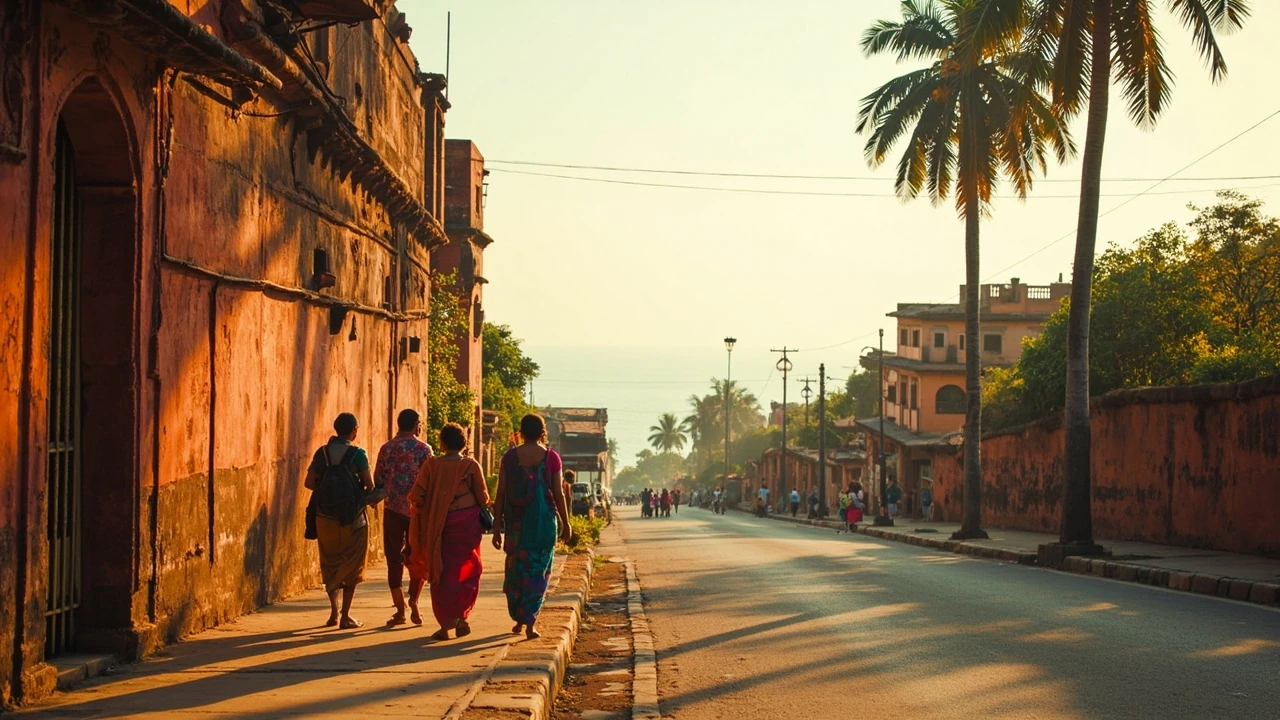
madras india: A practical guide to Chennai
madras india is the historic name travelers most often encounter when researching Chennai, the capital of Tamil Nadu on India’s southeastern coast. The two names refer to the same city, but Madras remains important in the language of history, architecture, and former British colonial rule. A visitor can plan around Chennai’s coastal landmarks, Dravidian temples, busy neighborhoods, traditional food, and modern public transit without treating the city as a collection of attractions scattered across unrelated days.
The most useful way to approach a first visit is to divide the city into a few manageable areas. Fort St George and the historic core offer streets, churches, museums, and government buildings. Mylapore and Triplicane provide temple visits and traditional food. The Marina and Elliot’s Beach serve travelers looking for open coastal space, while San Thome, Guindy, and Adyar suit travelers who want to combine major sights with a calmer local rhythm.
Chennai also rewards flexibility. The heat, traffic, rain, and long distances between neighborhoods can turn an ambitious itinerary into a frustrating one. Leave room for delays, carry water, and choose two or three landmarks per day rather than attempting to cross the city repeatedly. The result is a trip that feels more connected to the city and its everyday life.
How to plan a first visit to Chennai
Most travelers need two or three full days in Chennai. Two days work well for a focused city break, while three days make it possible to see the historic center, experience a temple neighborhood, visit the coast, and add one nearby excursion without moving every evening. A longer stay is worthwhile if food, architecture, photography, or regional history are central interests.
- Begin with the historic center. Use the first morning for Fort St George, St. Mary’s Cathedral, the Government Museum area, and nearby streets. Outdoor conditions are usually more comfortable before the midday heat.
- Reserve a separate day for Mylapore or Triplicane. These areas are easier to understand when you spend the morning with a temple, the afternoon with a traditional meal, and the evening walking through local streets.
- Add a coastal day. The Marina and Elliot’s Beach are different experiences. The Marina is urban and active; Elliot’s Beach has a more relaxed atmosphere near the greenery of Dojanji and the Adyar River area.
- Plan one nearby cultural excursion. Mahabalipuram, Kanchipuram, or a carefully chosen coastal destination can contrast with Chennai while remaining manageable for a day trip.
- Leave a final half-day flexible. This allows for a delayed train, unexpected rain, a revisit to a favorite neighborhood, or a food stop that was unavailable on the first attempt.
| Days available | Suggested structure | Main advantage |
|---|---|---|
| One full day | Fort St George, a nearby temple or cathedral, lunch, the Marina, and an early evening return through the city | Keeps travel within the metropolitan core |
| Two full days | Historic center and Mylapore on one day; the coast and a local food district on the other | Balances landmarks, culture, and food |
| Three full days | Two city days plus one nearby excursion | Adds regional context without overloading the city |
| Four or more days | Three city days plus a longer excursion or a slower neighborhood-focused itinerary | Creates room for deeper food and cultural experiences |
Download offline maps and save the addresses of each attraction in the local script as well as English. This is especially helpful when a driver, auto-rickshaw driver, or station employee needs to identify the destination. Keep digital copies of your passport, travel insurance details, and onward booking confirmations, but carry the physical documents required for entry to India.
Trace the layers of Chennai’s history
Chennai developed through a long sequence of regional settlements, trading ports, and colonial expansion. Its present urban form reflects both South Indian traditions and the city’s history under the East India Company. A useful overview of Chennai’s changing cityscape and historic districts can provide context before visiting the places where that history remains visible.
Fort St George is the clearest starting point for understanding the British-era city. The fort complex contains several buildings associated with the early colonial settlement, including St. Mary’s Church and the fort museum. Rather than treating the site as a single period, notice the layers: military construction, administrative space, religious institutions, public squares, and structures adapted over time.
The history is also inseparable from the exploitation and forced labor that supported colonial commerce. The For additional context, BBC account of Elihu Yale’s role in the colonial slave trade explains his leadership at the Madras settlement and the connections between East India Company officials, enslavement, and private profit. This context can change how visitors read historic buildings, portraits, trade records, and accounts of the port. A responsible visit looks beyond architectural photography to consider who built the city, who profited from it, and whose labor remained hidden.
Outside the fort, the city’s religious architecture shows several distinct traditions. San Thome Basilica, for example, reflects the presence of a long-established Christian community, while Mylapore’s temple district reflects the importance of South Indian Hindu traditions. The Government Museum and associated art spaces offer another perspective on the region’s objects, crafts, and history. Opening arrangements can change, so check official listings before traveling specifically to enter a building or museum.
A chronological walking plan can make the history easier to follow:
- Before colonial rule: Learn about the older urban and trading traditions associated with the Coromandel Coast.
- Early colonial settlement: Examine Fort St George, St. Mary’s Church, and the development of the white settlement around the fort.
- Expansion of the city: Notice how neighborhoods stretched north and west from the original center as commerce and administration grew.
- Modern Chennai: Observe how coastal reclamation, new transport, high-rise development, and migration reshaped the metropolitan area.
For travelers interested in a different kind of historic destination, the site’s guides to Toledo, Spain’s layered old city and Menorca’s quieter island setting offer useful contrasts with Chennai’s scale and energy.
Choose neighborhoods according to what you want to experience
Chennai is easiest to understand as a collection of distinct districts rather than a single sightseeing zone. Distance in miles matters less than the time required to cross traffic, and some places that appear close on a map can take more than an hour to reach during busy periods.
| Area | Best for | Typical plan | Planning note |
|---|---|---|---|
| Fort St George and George Town | Colonial-era history, architecture, museums, and walking | Start early, visit the fort complex, lunch nearby, then continue on foot | Carry identification and confirm entry requirements for each site |
| Mylapore | Temples, traditional food, markets, and street life | Combine one major temple with a meal and an unhurried neighborhood walk | Observe posted photography, footwear, and dress rules |
| Triplicane | Religious traditions and a strong food culture | Visit during a morning or afternoon window and allow time to eat nearby | Avoid scheduling a major attraction at the same time |
| San Thome | Basilica, cathedral, and southern Chennai sightseeing | Pair a religious site with a coastal or neighborhood meal | Check worship times and visitor access before arrival |
| Adyar and Guindy | Quieter parks, the Adyar River, and the Artists Village area | Spend a slower half-day moving between outdoor and cultural stops | Some smaller venues may have limited or variable opening arrangements |
| Marina and Elliot’s Beach | Coastal scenery, walking, and sunset | Arrive before the strongest heat or in the evening | Do not enter the water unless using a designated safe facility |
My dense collection of small experiences often works better than a checklist of famous sights. Spend time on a side street near the fort, stop for filter coffee, watch a neighborhood shop being prepared for the evening, and walk beside the Adyar River. These activities are simple, but they reward a slower pace.
Use neighborhood selection to manage heat as well. Fort St George is easiest to explore on foot because its principal buildings sit close together. Mylapore requires more walking between religious sites and dining options. Elliot’s Beach works well as a destination but offers limited shelter from midday sun. If a day includes several outdoor stops, schedule the museum, meal, or indoor cultural venue between them.
Eat Chennai food in a deliberate order
Chennai’s food identity combines South Indian classics, coastal ingredients, Tamil Muslim traditions, and the specialties of migrant communities. The safest strategy is not to search for a single “best” restaurant but to choose one well-known dish at a time and pay attention to freshness, cleanliness, turnover, and how the food is prepared.
| Food or meal | What to expect | Best time to try it | Helpful choice |
|---|---|---|---|
| Idli, dosa, vada, and filter coffee | South Indian breakfast staples served with sambar or chutney | Breakfast | Choose a busy place with rapid turnover |
| Traditional vegetarian thali | A rotating selection of rice, vegetables, lentils, curd, and accompaniments | Lunch | Ask for the daily menu and portion size |
| Chettinad cuisine | Spiced dishes associated with the Chettinad region, often using pepper, star anise, and spices | Lunch or dinner | Order a small portion because the flavors can be intense |
| Chennai biryani | Rice prepared with meat or vegetables and a layered spice profile | Lunch or dinner | Follow local serving customs and ask before adding accompaniments |
| Coastal seafood | Fish and shellfish reflecting Chennai’s position on the Bay of Bengal | Lunch or dinner | Ask what was caught and how fresh it is |
| Snacks and street food | Regional snacks that vary by neighborhood and vendor | Late afternoon or evening | Select busy stalls with visible cooking and rapid turnover |
Begin with a South Indian breakfast if there is time for it. A dosa served with several separate chutneys may look unfamiliar, but the components can be mixed gradually. Filter coffee is usually poured repeatedly between a tumbler and a metal vessel; adding more sugar is possible, but the proportions are traditionally part of the preparation.
For lunch, a thali offers the widest introduction to everyday South Indian meal structure. It may already include bread, rice, lentils, vegetables, curd, and chutney, so ordering every available item at once can be excessive. Eat slowly, identify what you enjoy, and avoid treating unfamiliar dishes as an obligation to finish.
Several practical food habits can improve the experience:
- Choose restaurants with a high turnover, clean preparation counters, and staff who handle food hygienically.
- Ask whether a dish is vegetarian before ordering, since terms for meat, fish, and regional specialties may not be obvious from an English menu.
- For strong flavors, order one highly spiced dish to share rather than several unfamiliar main courses.
- Carry a water bottle and refill it at a reputable public or business source rather than accepting unopened bottled water unnecessarily.
- Give restaurant staff clear dietary requirements, but also carry backup snacks for travelers with strict allergies or medical needs.
Street food can be part of a responsible trip when the vendor cooks in front of you, the ingredients are kept protected, and turnover is fast. Choose based on hygiene rather than on how crowded a stall appears. If you are pregnant, have a compromised immune system, or have been advised to avoid raw food, choose established restaurants and follow medical guidance.
Get around Chennai without spending the day in traffic
Chennai’s road network can become slow during commuting hours, especially where major routes converge. Traffic is a normal part of city travel rather than an exceptional disruption. The best transport choice depends on the route, time of day, luggage, comfort with navigation, and whether you want to see the streets along the way.
| Option | Best suited to | Advantages | Limitations |
|---|---|---|---|
| Metro and urban rail | Travel along connected urban corridors | Useful for avoiding repeated road traffic when stations are convenient | Not every destination has a nearby station; check current network and service information |
| Suburban trains | Longer journeys toward outer parts of the metropolitan area | Extensive and efficient when the destination is close to a useful station | Can be crowded and platform navigation requires attention |
| Authorized taxi or ride-hailing car | Door-to-door travel, families, luggage, and late schedules | Comfortable and flexible | Traffic and pickup delays can extend travel time |
| Auto-rickshaw | Short and medium-distance trips | Useful for traveling across parts of the city at lower cost | Limited luggage space and no fixed route until the trip begins |
| Walking | Compact historic districts and coastal stretches | Free, flexible, and good for observing street life | Heat, rain, and long crossings require planning |
Use a map to compare total door-to-door time, not just kilometers. A longer rail journey followed by a short taxi or auto-rickshaw transfer may be more dependable than a direct ride through heavy traffic. For an early appointment, leave more time than expected because even a normally short trip can cross a congested junction.
For the airport, prebook an authorized car or use a reputable ride-hailing service only after the aircraft has landed and the traveler has collected baggage. Building congestion can vary, and the trip may be longer during late-night arrivals or heavy rain. Always confirm the vehicle, driver, and pickup point before leaving the terminal.
Station travel deserves separate attention. Follow signs for the correct exit and platform, keep valuables in front of you in crowded areas, and allow extra time if changing trains. An online train reservation may require a passenger to use a station’s designated booking channel or a booking counter, depending on how the ticket was issued. Verify the official process before departure.
A simple distance rule helps:
- Walk when the destination is close and the weather is comfortable. This is ideal around Fort St George.
- Use rail for long routes across the city. It often makes sense when the start and end points are near major stations.
- Use a car when carrying luggage, traveling as a group, or visiting locations with weak pedestrian access.
- Keep a charged phone, local contact information, and an offline address available. Internet access can be inconsistent during heavy rain or in some older areas.
Match your visit to Chennai’s seasons
Chennai has a hot, humid coastal climate, and the most comfortable schedule depends heavily on the season. Morning walks are usually preferable to midday sightseeing, while the late afternoon and evening offer alternatives when the air cools. Rain may arrive in short, heavy bursts rather than as continuous drizzle, so a compact rain plan is useful.
| Period | Typical travel conditions | Best planning approach |
|---|---|---|
| January to March | Warm to hot days with relatively drier conditions for many visitors | Start outdoors early, take a long midday break indoors, and continue after late afternoon |
| April to May | High heat and humidity, with May often especially challenging | Reduce walking, carry water, and avoid overpacking the itinerary |
| June to September | Monsoon rain, humid conditions, and a greater chance of heavy downpours | Keep indoor alternatives nearby and allow extra time for road delays |
| October to December | Variable rain, rising humidity, and possible coastal weather alerts | Check official forecasts, keep flexible travel days, and monitor local advisories |
The southwest monsoon has the strongest potential for sustained coastal rain, but rainfall can occur outside the main monsoon period. October and November can also bring cyclonic weather threats to the northern Tamil Nadu coast. Travelers should monitor official weather warnings from the India Meteorological Department and follow instructions from local authorities. An umbrella is useful, but waterproof footwear and a small dry bag for electronics are equally important.
Humidity also changes how an outdoor day feels. A route that seems manageable in a photograph may require far more effort in real heat. Choose breathable clothing, a hat, and comfortable shoes. Carry sunscreen and reapply it as directed, particularly during clear winter days. Rest rather than treating fatigue as a personal weakness; heat-related illness can become serious quickly.
Season also affects how the coast feels. The beach is a social and visual experience even when swimming is not possible, but the most comfortable time depends on the day and weather. Avoid entering the sea outside designated areas with safety provisions. Strong currents, waves, pollution, and changing conditions make casual ocean swimming a poor choice.
Use a respectful and well-prepared travel checklist
Chennai rewards travelers who prepare for cultural and practical differences without treating every difference as an obstacle. Clothing, temple access, food safety, transport documentation, and respectful photography deserve attention before arrival.
- Pack for heat and rain: Lightweight breathable clothing, reliable sun protection, a compact umbrella, and shoes that tolerate wet pavement.
- Bring the required travel documents: Passport, visa or entry documents, onward travel evidence, and travel insurance details.
- Respect religious instructions: Men may be asked to remove footwear at temples, and some temples may restrict photography or require modest clothing. Carry a bag or cloth for shoes if needed.
- Ask before photographing people: A respectful question is preferable to assuming that a religious ceremony, worker, resident, or worshipper is available for a photograph.
- Stay alert in crowded places: Keep phones and wallets secure on buses, trains, markets, and station platforms.
- Plan for medical basics: Bring any prescription medication in original packaging, along with a simple oral rehydration solution if medically appropriate.
- Protect the environment: Carry a refillable bottle, avoid buying wildlife products, and follow local rules at beaches, temples, and protected sites.
- Allow communication time: Establish each day’s first destination, transport method, and backup plan before leaving the hotel.
Dress expectations vary by location. Chennai is a large, cosmopolitan city, and everyday Western clothing is generally common in public. Religious sites are different. Shoulders and knees may need to be covered, footwear may need to come off, and some visitors may be asked to use a provided garment. Secure loose clothing and bags before entering a crowded shrine area.
Photography requires similar awareness. Signs and attendants determine what can be photographed at individual sites. Even when photography is allowed, a person should not block a ceremony or handle worship objects without permission. The same principle applies to photographing residents in residential lanes and workers in workplaces.
Money and communication should be prepared before arriving at a station or market. Use an authorized exchange or banking service, keep transaction records, and do not display a large stack of cash. A local mobile connection can make directions and ride-hailing easier, but travelers who need constant connectivity should confirm their roaming or eSIM arrangements before departure.
Finally, separate the city’s modern conveniences from its uneven infrastructure. A major hotel may have reliable Wi-Fi, while a public area has intermittent service. A rail journey may be punctual while road traffic is not. The itinerary should work even if one service fails. The most robust plan includes one indoor landmark, one flexible meal stop, and one transport alternative for every major outing.
Frequently asked questions
What is madras india now called?
Madras is the historic English name for Chennai, the capital of Tamil Nadu. Government and many contemporary maps use Chennai, while Madras remains common in older records, historical writing, and some institutional names. Both names refer to the same city, so travelers may encounter both when researching tickets, addresses, and history.
How many days should I spend in Chennai?
Two full days are enough for the main city sights if the itinerary is geographically focused. Three days provide a better balance between the historic center, a temple district, the coast, food, and a nearby day trip. Travelers with limited mobility may find that two days spread over three calendar days are less rushed than two heavily packed days.
Is Chennai safe for tourists?
Chennai is a large and well-visited city where ordinary travel precautions apply. Use licensed or reputable transportation, protect valuables in crowded areas, follow local guidance during extreme weather, and stay alert for pickpocketing and traffic. The most important adjustment is not fear but preparation: plan routes, avoid displaying valuables, and remain alert around stations and busy markets.
What is the best time of year to visit Chennai?
Many travelers find the period from November through February easier for sightseeing because the air is generally drier and cooler than during the hottest months. April, May, and much of the monsoon season require more indoor breaks and careful attention to rain. No period is risk-free, so official weather warnings should guide coastal trips regardless of the season.
Do I need to visit a temple in Chennai?
A temple visit is worthwhile if you are interested in local religious culture, architecture, ritual, or neighborhood life. It is not mandatory for a conventional sightseeing trip. Choose one or two significant temples rather than trying to complete a long list. Learn the dress and photography rules beforehand, arrive outside the busiest worship period when possible, and treat the visit as an active place of faith rather than a photo backdrop.
Can tourists visit Fort St George?
Fort St George is one of Chennai’s major historical areas and includes important buildings such as St. Mary’s Cathedral. Visitor arrangements, access routes, museum hours, and any conservation closures can change, so travelers should check current official information before going. Carry identification and confirm whether tickets, timed entry, or separate museum arrangements apply.
What should I eat in Chennai for a first visit?
Start with a South Indian breakfast, such as dosa, idli, vada, and filter coffee. For lunch, choose either a traditional vegetarian thali or a regional specialty such as Chettinad food. Later in the day, sample a well-handled street snack or seafood dish if you enjoy it. Eating one strong specialty at a time is more enjoyable than ordering several unfamiliar dishes together.
Is the beach in Chennai suitable for swimming?
The coast is best approached as a place for walking, views, and sunsets unless designated swimming areas are open and operational. Chennai’s beaches can experience strong waves, currents, pollution, and changing conditions. Do not assume that a calm-looking stretch of sand is safe. Follow local warnings and use only supervised or clearly designated facilities.
Can I visit Mahabalipuram or Kanchipuram from Chennai?
Both destinations can make useful day trips, but they require careful transport planning. Mahabalipuram offers a coastal and archaeological experience, while Kanchipuram is known for its temple architecture and historic urban setting. Check train or road options in advance, leave early, and return before fatigue makes the journey difficult. Because schedules and local conditions can change, confirm the details with official transport providers before departure.
What should I pack for Chennai?
Pack lightweight breathable clothes, comfortable shoes for long walks, sun protection, a small umbrella, and a waterproof cover for electronics. Include an insect repellent if you are sensitive to bites, any prescription medication in its original packaging, and appropriate travel insurance documentation. For temple visits, modest clothing and a practical way to carry shoes can make the experience easier.



Leave a Reply